Imagine your phone rings and it's your grandmother's voice, shaky and scared, saying she's been in an accident and needs money right now. It sounds exactly like her. It isn't her at all. Scenes like this are becoming common enough that learning how to spot a deepfake is no longer a niche skill for tech experts. It's a basic form of media literacy, the same way you might have learned to recognise phishing emails.
A deepfake is a piece of AI-generated or altered audio, video, or image content, and the quality has improved so fast that most people can no longer separate a real voice or face from a convincing fake without help. This guide breaks down exactly what to look for, whether you're watching a video, listening to a call, or scrolling past a photo that looks a little too perfect. You'll get concrete checkpoints for images and video, for cloned voices, and for the everyday situations, from family emergencies to job interviews, where deepfakes are most likely to show up.
Key Takeaways
Deepfake: AI-generated or altered image, video, or audio that convincingly shows someone doing or saying something they never did
Three seconds is enough: McAfee found that just three seconds of audio can clone a voice with an 85% match to the original
Most people can't tell: 70% of people surveyed worldwide weren't confident they could distinguish a cloned voice from a real one
Check the details, not the whole picture: unnatural blinking, mismatched lighting, blurred hairlines, and flat, breathless speech are the most reliable everyday tells
It's not just scam calls: Gartner predicts that 1 in 4 job candidate profiles worldwide could be fake by 2028
Elections are a target too: a 2024 AI robocall impersonating a US president in New Hampshire led to a $6 million FCC fine
A codeword beats a gut feeling: agreeing on a secret phrase with family is one of the most effective defences against voice cloning scams
Curious why deception works so well? CBS's Business Psychology (B.Sc.) programme explores the psychology behind trust, persuasion, and manipulation, skills that matter far beyond spotting deepfakes
Your Deepfake Checklist at a Glance
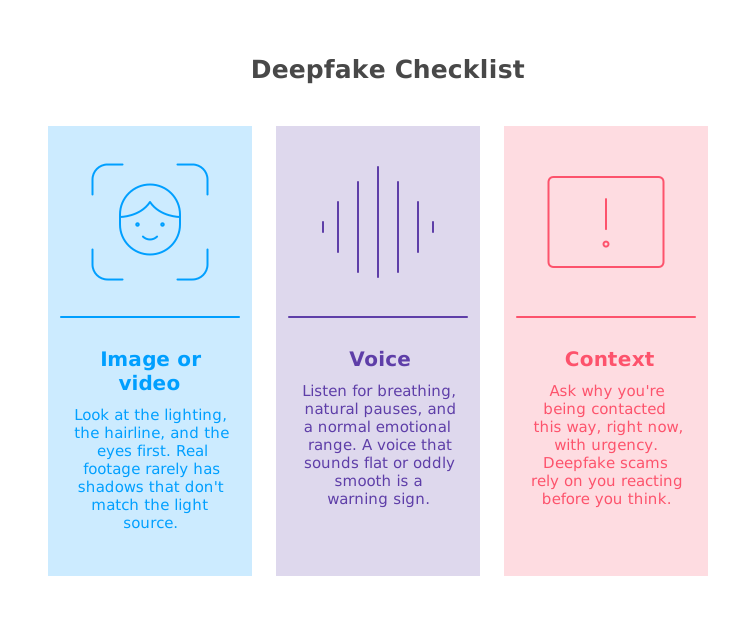
Before diving into the details, here's the fast version. Run through this checklist whenever something feels slightly off:
Image or video: Look at the lighting, the hairline, and the eyes first. Real footage rarely has shadows that don't match the light source.
Voice: Listen for breathing, natural pauses, and a normal emotional range. A voice that sounds flat or oddly smooth is a warning sign.
Context: Ask why you're being contacted this way, right now, with urgency. Deepfake scams rely on you reacting before you think.
What Is a Deepfake?
A deepfake is an image, video, or audio clip that has been generated or manipulated by AI to make someone appear to say or do something they never actually said or did. The term combines "deep learning" and "fake," and it covers everything from a face swapped into a video to a fully synthetic voice reading a script it was never given.
Deepfakes aren't new. Face-swapping software has existed for years. What changed is accessibility. Tools that once needed a research lab now run on a laptop or a phone app, and the output is convincing enough to fool a casual viewer or listener in seconds. That's exactly why learning to recognise the signs matters more than memorising a single definition.
How Can You Tell If an Image or Video Is AI-Generated?
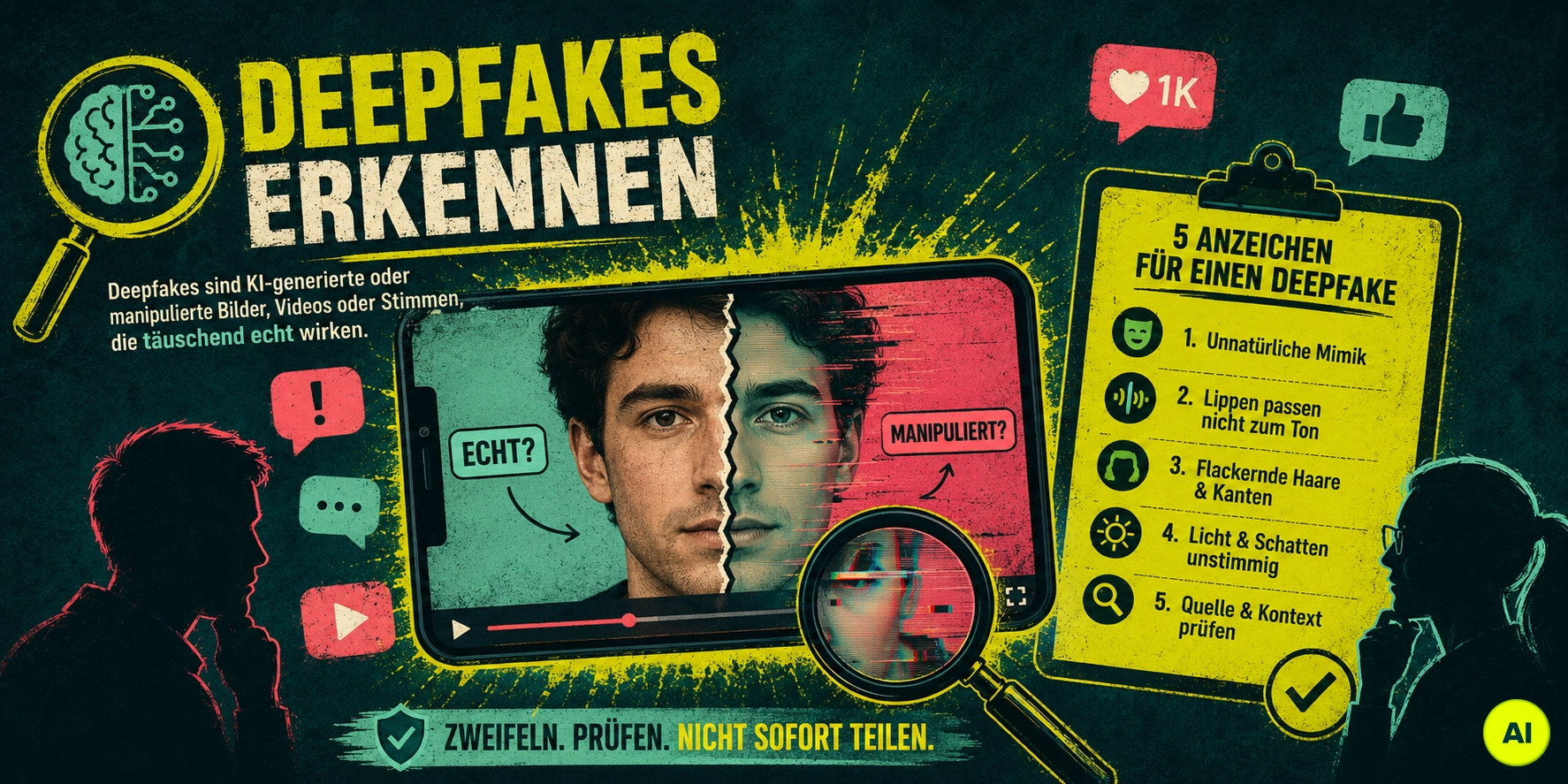
Look closely at the face first: unnatural blinking, a blurred or flickering hairline, and eyes that don't reflect light the same way in both irises are the most common giveaways, according to Kaspersky. This applies to a single photo just as much as a full video clip. Lighting and shadows that don't match the rest of the scene, and lips that lag slightly behind the audio, are strong secondary signs.
None of these signs are proof on their own. AI models are trained to fix exactly these mistakes, so newer deepfakes often get the basics right. Treat detection as a checklist, not a single tell:
Lighting and shadows: does the direction of light on the face match the background?
Hairline and edges: is there blurring or flickering where the face meets the hair or background?
Eyes: do both irises reflect light identically? Is the blinking rate natural?
Lip-sync: does speech match mouth movement, especially on sounds like "m," "f," and "t"?
Expression: do smiles look frozen, without the small wrinkles a real expression creates?
If two or more of these look wrong at once, treat the image or video with suspicion, and try to verify it through a second, independent channel before you act on it or share it further.
How Can You Tell If a Voice Has Been Cloned?
Cloned voices are harder to catch than fake images, because we rely on emotional recognition more than close analysis when we hear someone we know. McAfee's global survey found that just three seconds of audio, easily pulled from a social media video, is enough to produce a clone with an 85% match to the original voice. It's no surprise that 70% of people surveyed worldwide weren't confident they could tell a cloned voice from the real thing.
Listen for what's missing, not just what sounds wrong. Real speech has micro-pauses, breathing, and small imperfections that AI voices still struggle to fake convincingly:
A flat, oddly even tone with little emotional variation
Missing breathing sounds or natural pauses between phrases
Words that sound slightly "glued" together, without normal rhythm
Stress and intonation placed in unusual spots for that person
This is exactly the pattern behind the modern version of the grandparent scam: a caller claiming to be a family member in urgent trouble, using a cloned voice built from a few seconds of video pulled off social media. If a call like this catches you off guard, the fastest way to check is to hang up and call the person back on a number you already have saved, not one the caller gives you.
Deepfakes Are Showing Up in Job Interviews
Deepfakes aren't only a problem for family phone calls. They're increasingly a hiring problem too. Gartner predicts that by 2028, as many as 1 in 4 job candidate profiles worldwide could be fake, based on survey data showing 6% of candidates already admit to some form of interview fraud, from AI-altered video to having someone else sit in on the call.
For CBS's international student community, many of whom will run recruiting processes themselves one day, this is a preview of a skill that belongs in any career toolkit. In a video interview, the same checklist applies: watch for lighting inconsistencies, delayed lip-sync, and a voice that doesn't quite match the visible emotion on screen. If something feels off, moving part of the process to a live, unscripted moment, like asking the candidate to turn their head or share their screen, quickly exposes a deepfake, since AI-generated video still struggles with spontaneous movement.
Why Deepfakes Are Also an Election Problem
Deepfakes don't only target individuals. They're now a recognised risk to democratic processes. In January 2024, New Hampshire voters received robocalls using an AI-generated voice that mimicked then-President Biden, telling Democratic primary voters to skip the vote. The call's originator was later fined $6 million by the FCC, in what CyberScoop called one of the first large-scale cases of AI-generated audio disinformation aimed at American voters.
{{call-to-action}}
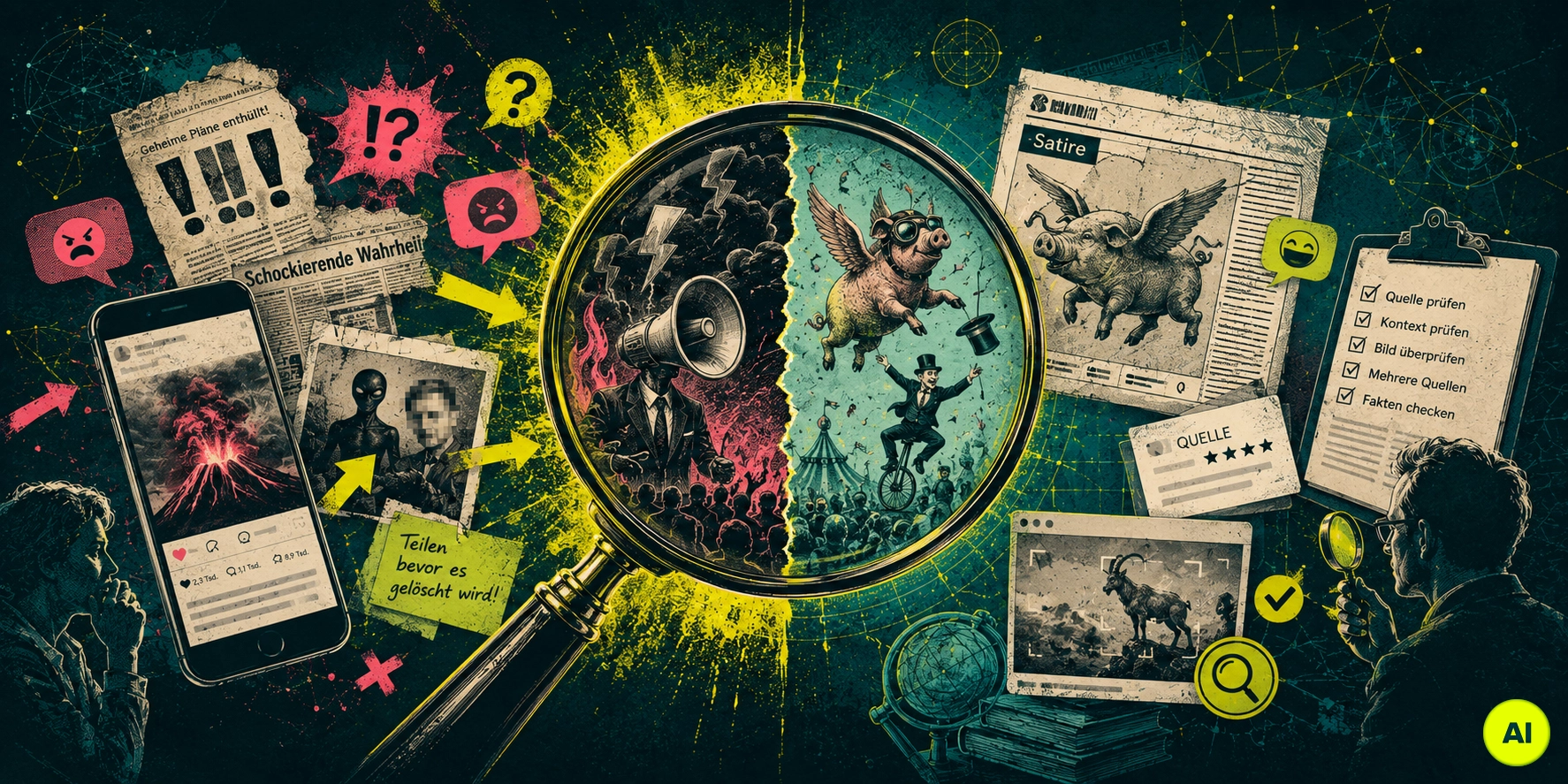
The World Economic Forum's 2026 Global Risks Report ranks misinformation and disinformation as the second-highest global risk over a two-year horizon, just behind geoeconomic confrontation. The takeaway for everyday readers isn't that every viral clip is fake. It's that political content, especially anything urging you to act, vote, or not vote, right before an election, deserves the same scrutiny you'd apply to a suspicious phone call.
How Do You Protect Yourself and Your Family from Deepfake Scams?
The single most effective defence against a voice cloning scam is a codeword: a phrase you agree on with close family or colleagues in advance, that only they would know to give you over the phone. If a caller claiming to be a relative can't produce it, treat the call as a scam, according to Kaspersky.
A few other habits go a long way:
Verify through a second channel. Hang up and call the person back on a saved number, never one the caller provides.
Slow down. Urgency is the scam's main tool. A real emergency can survive a two-minute callback.
Ask something only they'd know. A recent shared memory or an inside detail is hard for a cloned voice to fake.
Limit what you post. A few seconds of your voice or face from social media is often all a scammer needs.
None of these steps require special technology. They work because they interrupt the one thing every deepfake scam depends on: getting you to react before you verify.
Conclusion
Spotting a deepfake isn't a skill you learn once and forget. It's a habit, similar to the one you build for spotting misleading headlines or unverified claims online. Slow down, check two or three signals instead of trusting your first reaction, and verify anything urgent through a second channel before you act on it.
Imagine your phone rings and it's your grandmother's voice, shaky and scared, saying she's been in an accident and needs money right now. It sounds exactly like her. It isn't her at all. Scenes like this are becoming common enough that learning how to spot a deepfake is no longer a niche skill for tech experts. It's a basic form of media literacy, the same way you might have learned to recognise phishing emails.
A deepfake is a piece of AI-generated or altered audio, video, or image content, and the quality has improved so fast that most people can no longer separate a real voice or face from a convincing fake without help. This guide breaks down exactly what to look for, whether you're watching a video, listening to a call, or scrolling past a photo that looks a little too perfect. You'll get concrete checkpoints for images and video, for cloned voices, and for the everyday situations, from family emergencies to job interviews, where deepfakes are most likely to show up.
Key Takeaways
Deepfake: AI-generated or altered image, video, or audio that convincingly shows someone doing or saying something they never did
Three seconds is enough: McAfee found that just three seconds of audio can clone a voice with an 85% match to the original
Most people can't tell: 70% of people surveyed worldwide weren't confident they could distinguish a cloned voice from a real one
Check the details, not the whole picture: unnatural blinking, mismatched lighting, blurred hairlines, and flat, breathless speech are the most reliable everyday tells
It's not just scam calls: Gartner predicts that 1 in 4 job candidate profiles worldwide could be fake by 2028
Elections are a target too: a 2024 AI robocall impersonating a US president in New Hampshire led to a $6 million FCC fine
A codeword beats a gut feeling: agreeing on a secret phrase with family is one of the most effective defences against voice cloning scams
Curious why deception works so well? CBS's Business Psychology (B.Sc.) programme explores the psychology behind trust, persuasion, and manipulation, skills that matter far beyond spotting deepfakes
Your Deepfake Checklist at a Glance
Before diving into the details, here's the fast version. Run through this checklist whenever something feels slightly off:
Image or video: Look at the lighting, the hairline, and the eyes first. Real footage rarely has shadows that don't match the light source.
Voice: Listen for breathing, natural pauses, and a normal emotional range. A voice that sounds flat or oddly smooth is a warning sign.
Context: Ask why you're being contacted this way, right now, with urgency. Deepfake scams rely on you reacting before you think.
What Is a Deepfake?
A deepfake is an image, video, or audio clip that has been generated or manipulated by AI to make someone appear to say or do something they never actually said or did. The term combines "deep learning" and "fake," and it covers everything from a face swapped into a video to a fully synthetic voice reading a script it was never given.
Deepfakes aren't new. Face-swapping software has existed for years. What changed is accessibility. Tools that once needed a research lab now run on a laptop or a phone app, and the output is convincing enough to fool a casual viewer or listener in seconds. That's exactly why learning to recognise the signs matters more than memorising a single definition.
How Can You Tell If an Image or Video Is AI-Generated?
Look closely at the face first: unnatural blinking, a blurred or flickering hairline, and eyes that don't reflect light the same way in both irises are the most common giveaways, according to Kaspersky. This applies to a single photo just as much as a full video clip. Lighting and shadows that don't match the rest of the scene, and lips that lag slightly behind the audio, are strong secondary signs.
None of these signs are proof on their own. AI models are trained to fix exactly these mistakes, so newer deepfakes often get the basics right. Treat detection as a checklist, not a single tell:
Lighting and shadows: does the direction of light on the face match the background?
Hairline and edges: is there blurring or flickering where the face meets the hair or background?
Eyes: do both irises reflect light identically? Is the blinking rate natural?
Lip-sync: does speech match mouth movement, especially on sounds like "m," "f," and "t"?
Expression: do smiles look frozen, without the small wrinkles a real expression creates?
If two or more of these look wrong at once, treat the image or video with suspicion, and try to verify it through a second, independent channel before you act on it or share it further.
How Can You Tell If a Voice Has Been Cloned?
Cloned voices are harder to catch than fake images, because we rely on emotional recognition more than close analysis when we hear someone we know. McAfee's global survey found that just three seconds of audio, easily pulled from a social media video, is enough to produce a clone with an 85% match to the original voice. It's no surprise that 70% of people surveyed worldwide weren't confident they could tell a cloned voice from the real thing.
Listen for what's missing, not just what sounds wrong. Real speech has micro-pauses, breathing, and small imperfections that AI voices still struggle to fake convincingly:
A flat, oddly even tone with little emotional variation
Missing breathing sounds or natural pauses between phrases
Words that sound slightly "glued" together, without normal rhythm
Stress and intonation placed in unusual spots for that person
This is exactly the pattern behind the modern version of the grandparent scam: a caller claiming to be a family member in urgent trouble, using a cloned voice built from a few seconds of video pulled off social media. If a call like this catches you off guard, the fastest way to check is to hang up and call the person back on a number you already have saved, not one the caller gives you.
Deepfakes Are Showing Up in Job Interviews
Deepfakes aren't only a problem for family phone calls. They're increasingly a hiring problem too. Gartner predicts that by 2028, as many as 1 in 4 job candidate profiles worldwide could be fake, based on survey data showing 6% of candidates already admit to some form of interview fraud, from AI-altered video to having someone else sit in on the call.
For CBS's international student community, many of whom will run recruiting processes themselves one day, this is a preview of a skill that belongs in any career toolkit. In a video interview, the same checklist applies: watch for lighting inconsistencies, delayed lip-sync, and a voice that doesn't quite match the visible emotion on screen. If something feels off, moving part of the process to a live, unscripted moment, like asking the candidate to turn their head or share their screen, quickly exposes a deepfake, since AI-generated video still struggles with spontaneous movement.
Why Deepfakes Are Also an Election Problem
Deepfakes don't only target individuals. They're now a recognised risk to democratic processes. In January 2024, New Hampshire voters received robocalls using an AI-generated voice that mimicked then-President Biden, telling Democratic primary voters to skip the vote. The call's originator was later fined $6 million by the FCC, in what CyberScoop called one of the first large-scale cases of AI-generated audio disinformation aimed at American voters.
{{call-to-action}}
The World Economic Forum's 2026 Global Risks Report ranks misinformation and disinformation as the second-highest global risk over a two-year horizon, just behind geoeconomic confrontation. The takeaway for everyday readers isn't that every viral clip is fake. It's that political content, especially anything urging you to act, vote, or not vote, right before an election, deserves the same scrutiny you'd apply to a suspicious phone call.
How Do You Protect Yourself and Your Family from Deepfake Scams?
The single most effective defence against a voice cloning scam is a codeword: a phrase you agree on with close family or colleagues in advance, that only they would know to give you over the phone. If a caller claiming to be a relative can't produce it, treat the call as a scam, according to Kaspersky.
A few other habits go a long way:
Verify through a second channel. Hang up and call the person back on a saved number, never one the caller provides.
Slow down. Urgency is the scam's main tool. A real emergency can survive a two-minute callback.
Ask something only they'd know. A recent shared memory or an inside detail is hard for a cloned voice to fake.
Limit what you post. A few seconds of your voice or face from social media is often all a scammer needs.
None of these steps require special technology. They work because they interrupt the one thing every deepfake scam depends on: getting you to react before you verify.
Conclusion
Spotting a deepfake isn't a skill you learn once and forget. It's a habit, similar to the one you build for spotting misleading headlines or unverified claims online. Slow down, check two or three signals instead of trusting your first reaction, and verify anything urgent through a second channel before you act on it.
Understand What Drives People to Trust and Deceive
Curious what makes persuasion, trust, and deception actually work? CBS's English-taught Business Psychology (B.Sc.) programme combines psychological science with real business practice in Cologne, so you learn to read people, not just theories.
If you already hold a Bachelor's degree, CBS's Business Psychology and Management (M.Sc.) builds on these same ideas, covering organisational psychology, leadership, and data-drivendecision-making.